
Your guide will meet you at your hotel in Cairo or Alexandria for a comfortable drive in an air-conditioned vehicle. Relax and enjoy the scenic route as your guide introduces you to Alexandria’s historical significance and Mediterranean charm.
from 0 review
8 Hours
Daily Tour
100 people
___
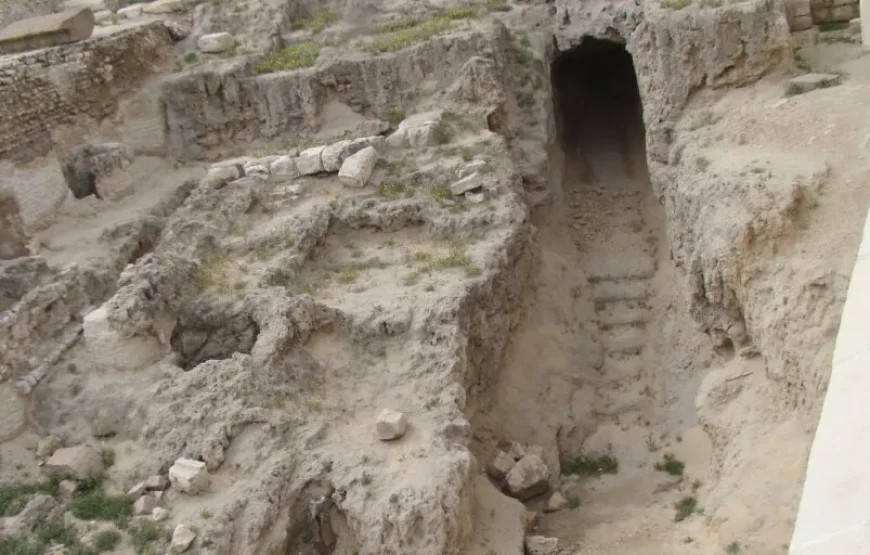
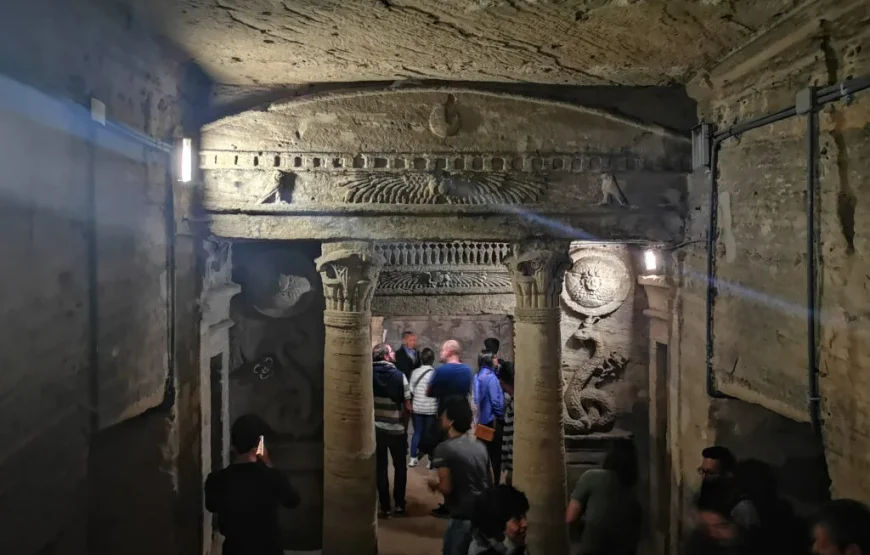
Step into the heart of Alexandria’s ancient past with a tour that explores its most mysterious underground and monumental treasures. Begin at the Catacombs of Kom el Shoqafa, an extraordinary blend of Egyptian, Hellenistic, and Roman art and architecture. Descend the spiral staircase carved deep into the rock to discover intricately decorated tombs, sculptures, and sarcophagi that date back to the 2nd century AD.
Continue to the Serapeum, the ancient temple once dedicated to the Greco-Egyptian god Serapis, a symbol of unity between Egyptian and Greek cultures. Here stands the towering Pompey’s Pillar, one of Alexandria’s most iconic landmarks, rising nearly 27 meters above the ruins of the Serapeum.
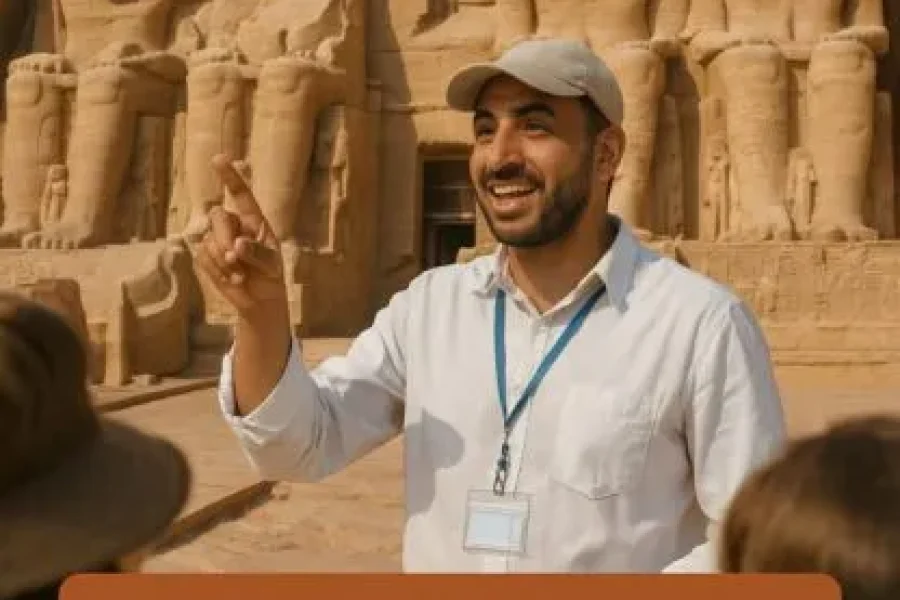
Your expert Egyptologist guide will bring to life the stories of Alexandria’s ancient rulers, the fusion of its civilizations, and the secrets hidden within its stone corridors. This immersive tour offers a perfect mix of history, archaeology, and storytelling — ideal for travelers who want to experience Alexandria beyond its coastline.
Your guide will meet you at your hotel in Cairo or Alexandria for a comfortable drive in an air-conditioned vehicle. Relax and enjoy the scenic route as your guide introduces you to Alexandria’s historical significance and Mediterranean charm.
Descend into Alexandria’s most mysterious archaeological site — the Catacombs of Kom el Shoqafa. Explore the spiral staircase leading to the burial chambers, carved directly into the bedrock. Admire the fascinating blend of Egyptian and Greco-Roman motifs in statues, reliefs, and tomb decorations that reflect the city’s multicultural history.
Continue to the Serapeum, once the grand temple of Serapis. Here stands the massive Pompey’s Pillar, a granite column built in honor of Emperor Diocletian. Learn about the temple’s destruction, its role in the ancient Library of Alexandria’s final chapter, and how it became a symbol of the city’s resilience.
If time allows, you can extend the tour to visit the Roman Amphitheater, Alexandria’s only surviving Greco-Roman performance site, or the modern Bibliotheca Alexandrina, a tribute to the ancient world’s greatest library.
Enjoy a fresh seafood lunch at a local restaurant by the Mediterranean. Take in the sea breeze and taste Alexandria’s culinary heritage.
After exploring the wonders of ancient Alexandria, relax as your driver takes you back to your hotel.
The Catacombs of Kom el Shoqafa are one of the most remarkable archaeological sites in Alexandria. They were carved underground around the 2nd century AD and served as a private family tomb before expanding into a large necropolis. The site beautifully combines Egyptian, Greek, and Roman styles, showing how these cultures blended during Alexandria’s golden age.
What’s truly fascinating about Kom el Shoqafa is how Egyptian beliefs in the afterlife mix with Roman and Greek artistic touches. You’ll see statues of Egyptian gods dressed in Roman armor, carvings in both hieroglyphic and Greek styles, and chambers designed with intricate spiral staircases. It’s an incredible visual story of how ancient Alexandria was a meeting point of civilizations.
The Catacombs descend about 20 meters below ground through a spiral staircase that leads to several levels of tombs and chambers. The main hall includes a banquet area where families once held memorial feasts for the dead, a tradition that shows how ancient Egyptians celebrated life even in death.
The tombs originally belonged to a wealthy Alexandrian family who lived during the Roman period. Over time, the site expanded and was used by others, possibly members of the same social class. No royal burials were found here, but the elaborate artwork and structure reflect the wealth and cultural influence of Alexandria’s elite.
The Serapeum was a grand temple dedicated to Serapis, a deity created by merging Egyptian and Greek gods to unite the city’s diverse population. It once stood as one of the greatest temples of the Hellenistic world, symbolizing Alexandria’s spirit of cultural fusion.
Pompey’s Pillar is the only remaining column from the Serapeum complex. It’s a massive 27-meter granite column built in honor of the Roman Emperor Diocletian around the 3rd century AD. Despite its name, it has nothing to do with Pompey the Great. The pillar is one of the most iconic landmarks in Alexandria and offers a glimpse into the city’s grandeur under Roman rule.
Around the base of Pompey’s Pillar, you’ll find remains of the Serapeum, underground passages, and sphinx statues that once lined the sacred pathway. Your guide will share stories of the temple’s destruction, its connection to the ancient Library of Alexandria, and how it became a symbol of the city’s endurance.
Together, they show how Alexandria was a city of coexistence and creativity. Egyptian traditions merged with Greek philosophy and Roman architecture, shaping a culture that was unlike anywhere else in the ancient world. Visiting both sites in one day gives you a complete picture of Alexandria’s unique identity.
Photography inside the Catacombs is limited to protect the carvings and delicate environment, but you can take photos outside and in designated areas. The Serapeum and Pompey’s Pillar, on the other hand, are open-air sites and perfect for photos.
This tour focuses on ancient Alexandria rather than the modern city. It takes you below the surface—literally and historically—to uncover the secrets of Egypt’s Greco-Roman era. With an Egyptologist guide explaining every detail, it’s an immersive experience that brings Alexandria’s forgotten stories back to life.
It’s cool, quiet, and mysterious. The stone corridors are lit just enough to reveal the carvings and statues, creating an otherworldly feeling. Walking through them feels like stepping back two thousand years into the heart of ancient Alexandria.
Because it connects two of Alexandria’s most important archaeological sites, each showing a different side of the city’s soul. The Catacombs reveal the beliefs and art of its people, while the Serapeum and Pompey’s Pillar represent its monumental legacy. Together, they offer a journey through Alexandria’s layered past.

Member Since 2026
Leave a review