from 0 review
4 Hours
Daily Tour
30 people
___
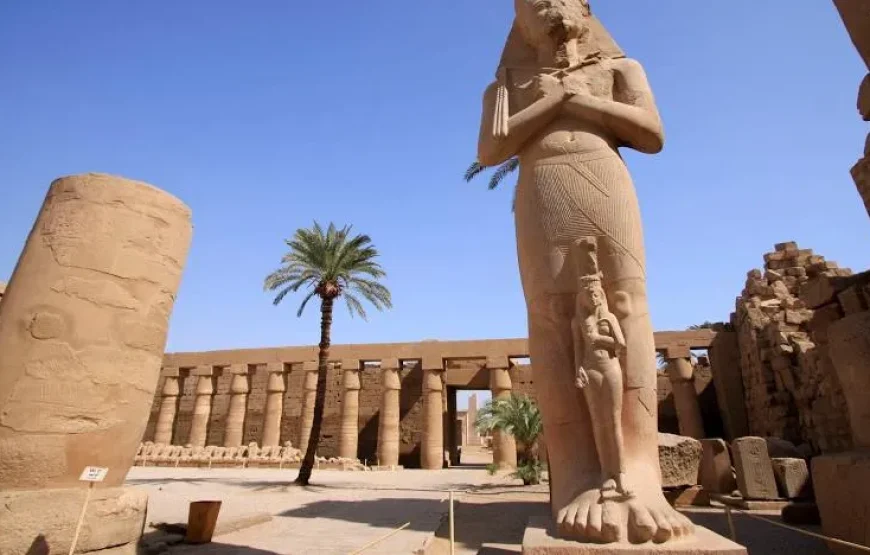
Embark on an unforgettable Karnak and Luxor temples half-day tour, a captivating journey into the heart of ancient Egypt’s spiritual and ceremonial world. This expertly guided tour takes you through Luxor’s East Bank, where the grandeur of two of Egypt’s most iconic temples still echoes the glory of the New Kingdom.
Led by a professional Egyptologist guide, this Luxor sightseeing tour immerses you in the deep symbolism, fascinating architecture, and religious significance of both Karnak Temple—Egypt’s largest temple complex—and Luxor Temple, a masterpiece of pharaonic elegance. Ideal for travelers seeking a rich historical experience within a half day, this tour delivers high value, comfort, and knowledge in a short yet immersive timeframe.
Whether you’re on a Nile cruise or staying at a hotel, this Luxor day tour East and West Bank option begins with convenient pickup and ends with unforgettable memories etched in stone and history.
1. Morning Pickup (8:00 AM)
Your day begins with a convenient pickup from your Luxor hotel or Nile cruise boat by your friendly Egyptologist guide. Sit back and enjoy a scenic short drive to Karnak Temple, located on the East Bank.
2. Visit to Karnak Temple Complex (8:15 AM – 10:15 AM)
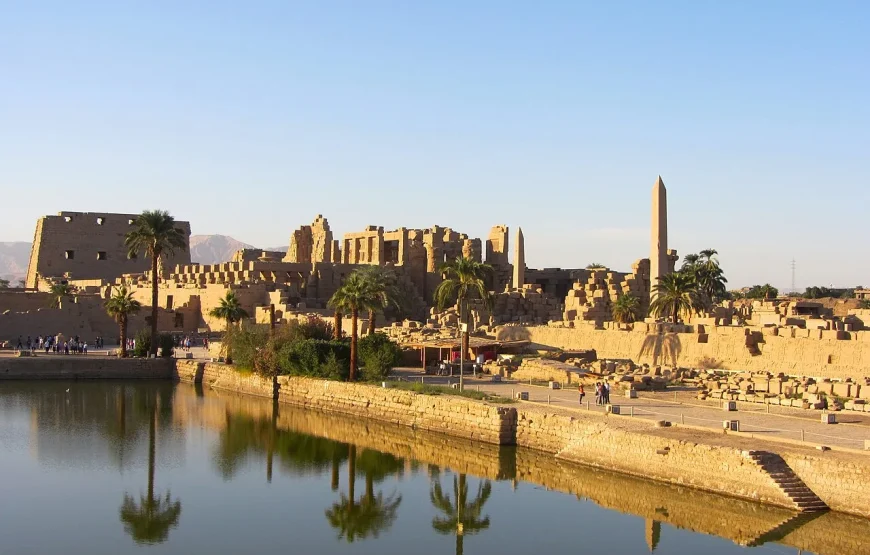
Step into the colossal world of Karnak Temple, one of the most powerful religious sites ever constructed. With origins tracing back over 4,000 years, this vast complex was primarily dedicated to Amun-Ra, king of the gods.
Highlights Include:
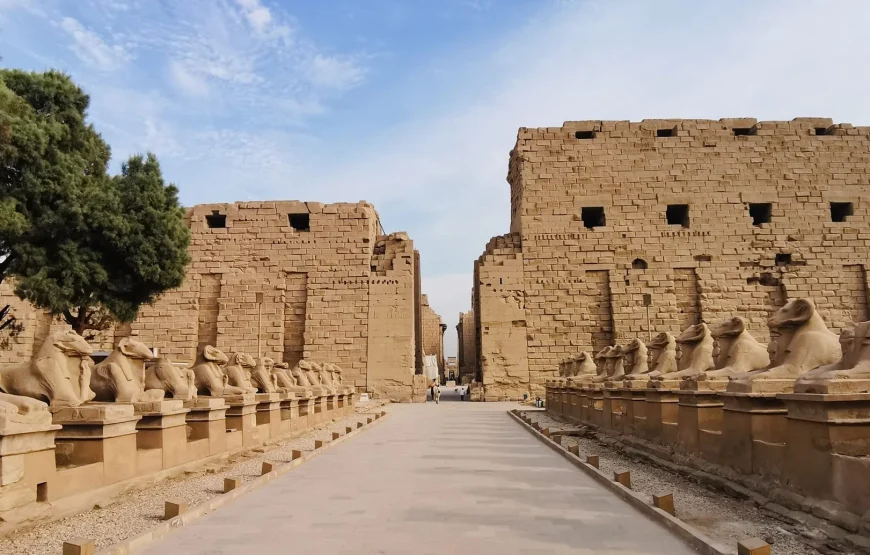
The Avenue of Sphinxes: Begin your journey on this magnificent processional way, flanked by ram-headed sphinxes symbolizing divine protection.
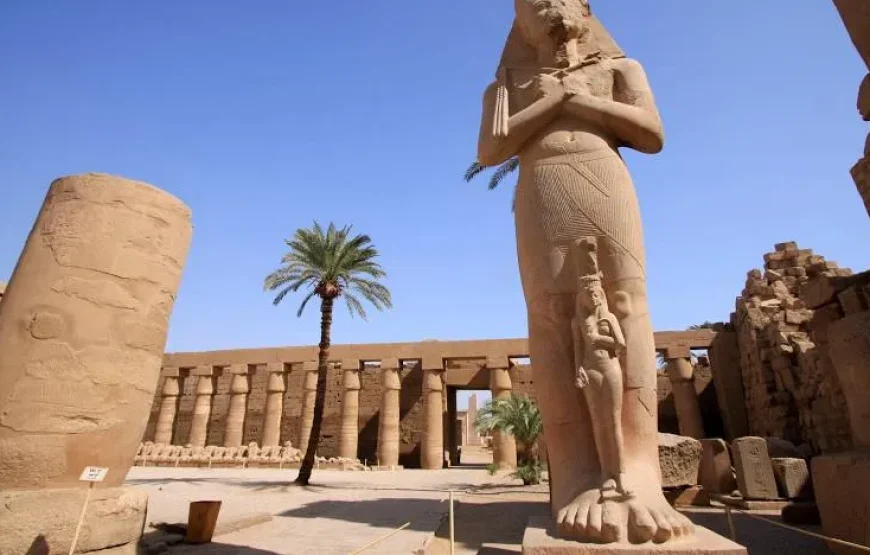
The Great Hypostyle Hall: Be awed by 134 colossal columns soaring up to 21 meters high, richly decorated with hieroglyphics narrating divine myths and royal victories.
The Sacred Lake: Discover the sacred purification basin used in ancient temple rituals and ceremonies.
Obelisks of Hatshepsut & Thutmose III: Marvel at the towering obelisks, standing as eternal testaments to royal power and devotion.
Festival Hall of Thutmose III: Explore a rare architectural gem showcasing battle scenes and royal festivals carved in stone.
Your guide will share insightful narratives on how the temple evolved through the reigns of powerful pharaohs like Seti I, Ramses II, and Hatshepsut, each adding their own legacy to this sacred monument.
A short ride brings you to the heart of modern Luxor, where the Luxor Temple majestically stands beside the Nile. Built primarily by Amenhotep III and expanded by Ramses II, this temple was the focal point of the Opet Festival, celebrating the divine connection between the pharaoh and Amun-Ra.
Highlights Include:
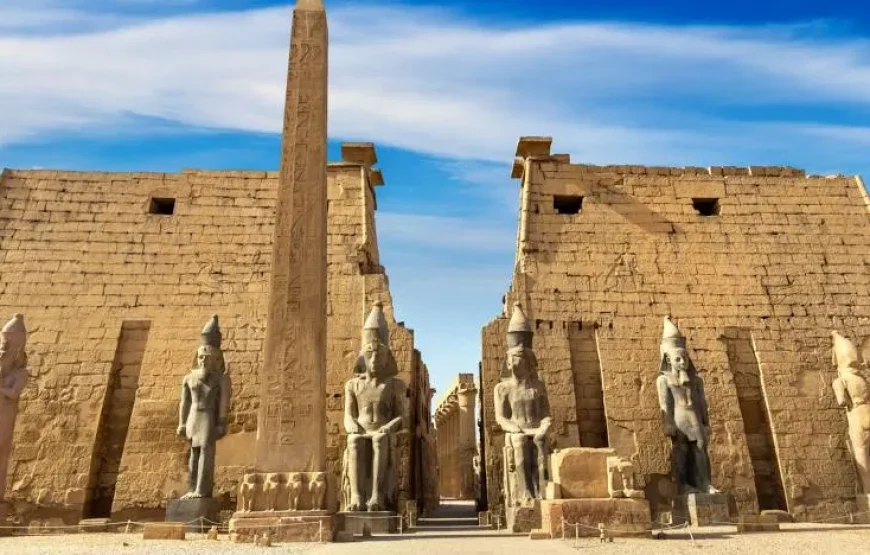
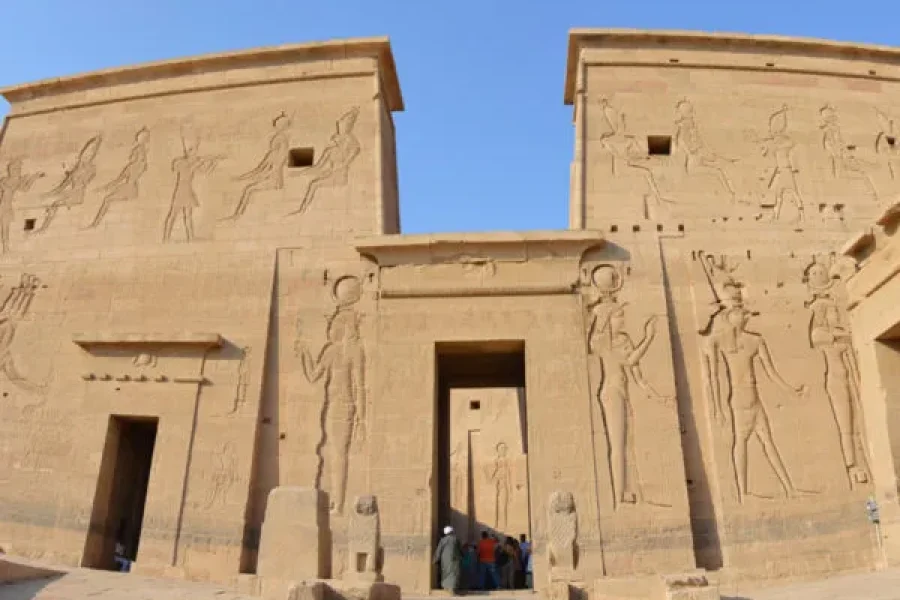
The First Pylon: An awe-inspiring gateway adorned with statues of Ramses II and battle reliefs.
The Courtyard of Ramses II: Walk among columns and statues used during ancient religious processions.
The Colonnade of Amenhotep III: A breathtaking corridor of columns leading to the inner sanctums.
The Avenue of Sphinxes: Re-emerging after restoration, this ancient path once connected the two temples.
The Birth Room (Chapel of Amun-Ra): Depicting the divine birth of Amenhotep III, reinforcing the pharaoh’s godly right to rule.
Your Egyptologist will explain how Luxor Temple was a "living temple"—repurposed through Roman, Christian, and Islamic eras—making it a rare surviving blend of Egypt's multi-layered religious history.
After a morning steeped in timeless history, you’ll be comfortably returned to your hotel or cruise ship. For those who wish, a traditional Egyptian lunch at a nearby restaurant can be arranged as an optional extra.
Karnak Temple – Egypt's Grandest Place of Worship
In contrast to the sprawling complexity of Karnak, Luxor Temple offers an elegant and deeply symbolic experience. Constructed primarily under the reign of Amenhotep III (18th Dynasty) and expanded by Ramses II, this temple was not dedicated to a god, but to the divine aspect of kingship itself. It was believed that the pharaoh’s legitimacy had to be renewed ceremonially here through divine union with Amun during the Opet Festival.
What makes Luxor Temple particularly fascinating is its continuous use and adaptation throughout thousands of years, earning it the title of a “living temple”. Long after the pharaonic era ended, the temple was converted into a Roman garrison’s headquarters, a Christian church, and later, a mosque that still functions today: Abu El-Haggag Mosque.
During your Luxor day tour East and West Bank, your Egyptologist will walk you through the temple’s unique features:
The First Pylon of Ramses II: This grand façade is flanked by colossal seated statues of the pharaoh and originally featured six obelisks—one still stands, while its twin resides in Paris at the Place de la Concorde.
Courtyard of Ramses II: A vast open space surrounded by double rows of columns and statues, used for religious rituals and public events.
Colonnade of Amenhotep III: A stunning row of 14 massive papyrus columns, each richly decorated with scenes of the Opet Festival procession.
Avenue of Sphinxes: The southern end of this ancient processional path begins at Luxor Temple and runs all the way to Karnak. Recently reopened to the public, this road is a rare surviving example of ancient city planning and ceremonial landscape design.
Birth Room (Chapel of Amun-Ra): The walls of this sacred space are adorned with reliefs that portray the mythical divine birth of Amenhotep III. These scenes emphasized the pharaoh's divine origin and justified his right to rule Egypt.
Unlike other temples that faded into oblivion, Luxor Temple remained continuously active, evolving through various civilizations. Its layered history offers visitors a multi-dimensional look into the spiritual and political life of ancient and medieval Egypt. No Karnak and Luxor temples half-day tour is complete without standing within this sacred site where kings were reborn, gods celebrated, and history eternally preserved.

Member Since 2026


Leave a review